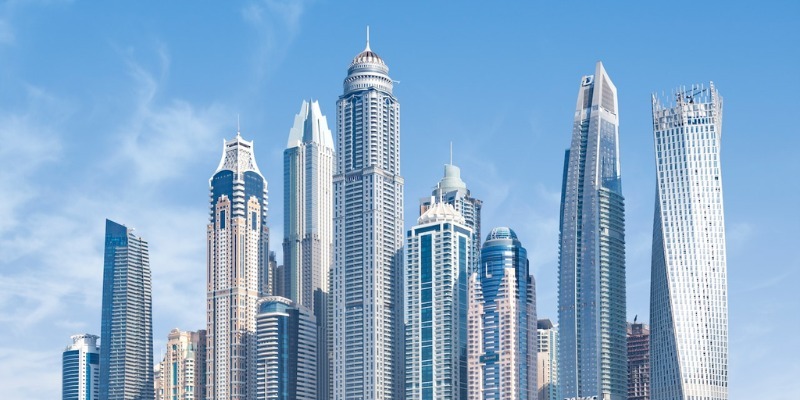
Structural engineering: Ensuring wind stability in Dubai's high-rise towers
In the twenty-first century, Dubai's skyline is dominated by residential towers that rise hundreds of meters in the air. It is surprising to see that these structures have been constructed in the Dubai desert landscape. While these buildings have become symbols of modern luxury and architectural ambition, we must not forget that they face a powerful natural force that is wind. Ensuring wind stability is one of the most critical responsibilities of the structural engineer Dubai. The structural beginners take into account all technical aspects that affect the safety of the structure.Learn more about wind at high altitude
This is surprising for many to note that wind does not behave in the same way on the ground level as it does at some height. As the height of the building increases, pressure and speed also increases. Hence, there is a big role of structural engineering in Dubai while constructing high-rise towers. The high-rise towers should be designed to withstand:
- Strong desert winds
- Seasonal gusts
- Wind channeling between the closely spaced towers
The structural engineers study the flow of wind around and through the tall buildings in order to prevent excessive movement as well as structural stress.
Wind load analysis
One of the key steps ensuing in stability is wind load analysis. The structural engineers calculate how much wind force the tower will face on the basis of:
- Shape and height of the tower
- Surrounding structures
- Local wind data
The best engineering consulting Dubai services work in a highly systematic manner. They do not jump to any conclusions. With the help of advanced technology, they design such structures that can safely resist wind forces without compromising the comfort. With the help of advanced tests, it is possible to know wind pressure distribution, vortex shedding effect. Through advanced testing, the engineers can easily adjust the structural designs before the construction begins.
Use of creative structural systems to improve wind stability
The structural engineers make use of various systems to control wind-induced movement in high-rise towers:
- Shear walls to resist lateral force
- Reinforced concrete cores for rigidity
- Methods and systems to distribute loads
- Moments resisting frames that resist strength and flexibility
These systems work together in order to keep the building stable and secure despite wind loads. Utilize the expertise of an engineering consultant for construction UAE.
Controlling building sway for the comfort of the residents
Even if the building is structurally safe, excessive sway away can cause discomfort for the occupants. The structural engineers address this problem and carefully limit movement by:
- Optimizing floor layout
- Increasing structural stiffness
- Using advanced abortion control techniques
This ensures that the residents feel safe and comfortable even during high seed winds.
Opting for aerodynamic building shape in order to reduce wind impact
The shape of the high-rise tower also plays an instrumental role in ensuring wind stability. Most of the high-rise towers have openings that allow wind to pass through.
The high-rise towers are built with precision, innovation and expertise. Use the expertise of structural engineers and ensure the tower stands strong against the force of nature.